What is AI Vedic astrology?
Vedic astrology — Jyotish, “the science of light” — is one of the oldest continuously practiced systems for reading the sky. It uses a Sidereal zodiac anchored to the actual constellations, the 27 lunar mansions called nakshatras, and a system of planetary periods (dashas) that tracks how a chart unfolds over the course of a life. The output is structured: every planet has a sign, a house, a nakshatra, an aspect.
AI Vedic astrology is what happens when a modern language model reads that structure and explains it back to you. The chart is still calculated from real planetary data. The Jyotish principles still decide what each placement means. The AI's job is to translate — to take a sentence like “Saturn in the 7th house in Magha nakshatra, currently in Saturn-Mercury dasha” and rewrite it in language a person who has never opened a Vedic textbook can actually use.
Vedic vs. Western: why Sidereal matters
Most astrology you encounter online is Tropical — the Western system that fixes Aries to the spring equinox. That was accurate two thousand years ago. Because of the slow wobble of Earth's axis (the precession of the equinoxes), the two zodiacs now disagree by about 24 degrees. If your Tropical Sun sign is Aries, your real, in-the-sky Sun is almost certainly in Pisces. Most Westerners have a different Sidereal sign than the one they grew up with.
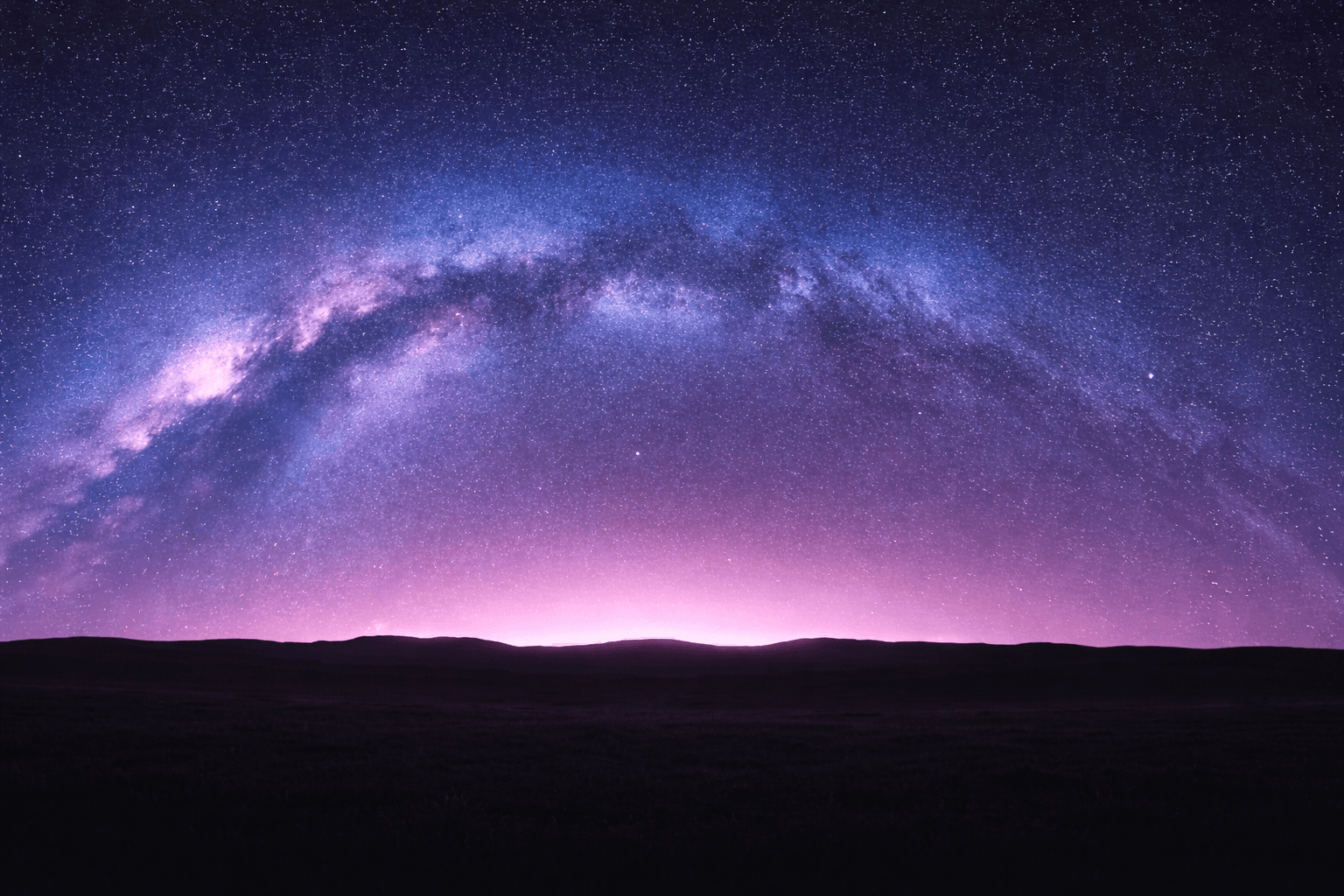
Vedic astrology never made that compromise. It uses the Lahiri ayanamsa — the offset that tracks the actual constellations — and weights the Moon and Rising sign more heavily than the Sun. The result is a chart that matches the night sky on the day you were born, and an interpretation rooted in lunar timing rather than solar identity. See your true Sun, Moon and Rising in the real sky for the practical translation.
How Veas combines NASA JPL data with Jyotish
Veas pulls planetary positions from the same JPL ephemeris data NASA uses to navigate spacecraft. For your exact moment of birth and the precise coordinates of your birthplace, we calculate where each of the nine Vedic grahas — Sun, Moon, Mars, Mercury, Jupiter, Venus, Saturn, Rahu, and Ketu — was in the sky, accurate to fractions of an arc-degree. We then apply the Lahiri ayanamsa to convert tropical longitude into Sidereal longitude, place each planet in its house relative to your local Ascendant, and assign its nakshatra and pada.
That structured chart is what the AI sees. The model has been constrained to read the chart through traditional Jyotish lenses: house lordships, planetary friendships and enmities, exaltation and debilitation, dasha and antardasha periods, and nakshatra symbolism. You always see the underlying numbers, so the interpretation is verifiable, not magical.
What your AI Vedic birth chart reveals
A complete Vedic reading covers more ground than a Western Sun-sign paragraph. With Veas you get:
- Your true Sun, Moon, and Rising signs in the Sidereal zodiac — often different from the ones you knew.
- Your Moon nakshatra, the lunar mansion that shapes your emotional rhythm and relational style — explored in depth across the 27 nakshatras.
- Your current dasha and antardasha — the planetary periods that are running right now and the themes they tend to bring. See major transits and the Saturn return for an example of how a single cycle reshapes a life.
- The 12 houses with their lords and occupants — career, relationships, health, family, all in their Vedic framing.
- AI interpretations you can ask follow-up questions on, instead of a single locked PDF you read once and close.
Getting started
You need three pieces of information: your date of birth, your time of birth (as precise as you can — five minutes can shift your Rising sign), and the city you were born in. Veas does the rest. The chart and the foundational interpretation are free; you can generate yours in under a minute.