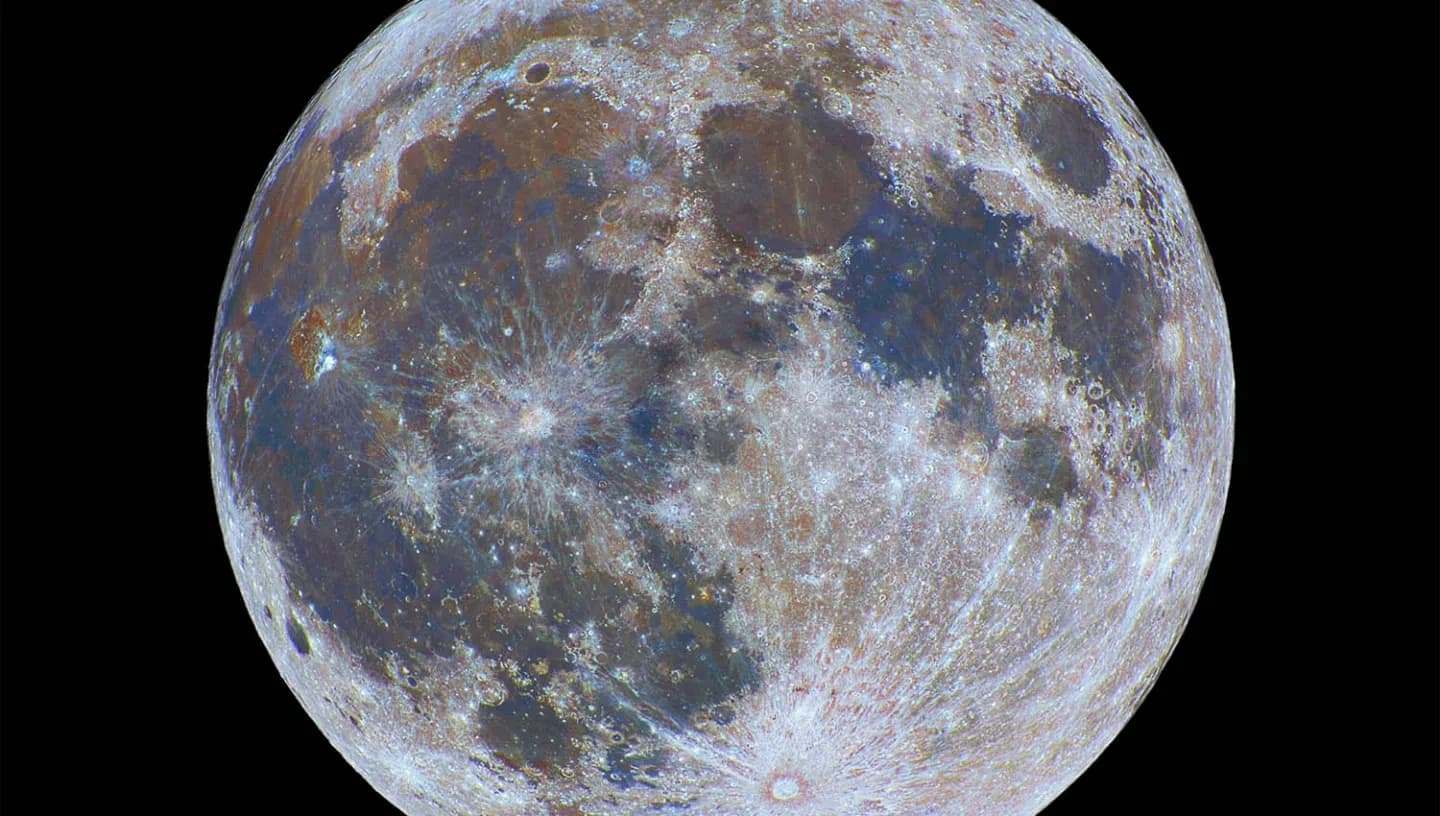
The Moon is the closest celestial body to Earth — and the most quietly powerful one in your chart. Tides rise and fall on her command. So does your inner weather. In sidereal Vedic astrology, the Moon (Chandra) is the ruler of manas, the emotional and intuitive mind. Reading the lunar cycle as it actually appears in the sky — not against an outdated zodiac — is the most direct way to understand your emotional rhythm.
Why the Moon Matters More Than Your Sun Sign
Modern Western astrology often opens with "What's your Sun sign?" In Vedic tradition, the question is "What's your Chandra rashi?" — your Moon sign. The Sun describes the soul's purpose; the Moon describes how you actually feel, react, and recover. It governs sleep, hunger, longing, and grief. It is the lens through which you experience every other transit.
Because the Moon moves quickly — about one degree every two hours — it is also the most sensitive indicator in your chart. A precise birth time matters here. A two-hour difference can shift your Moon into a different nakshatra (lunar mansion), changing the emotional texture of your entire life.
The Eight Phases, Reframed for Real Life
In Vedic astrology, the lunar month is divided into 30 tithis — lunar days defined by the angular distance between the Sun and the Moon. These cluster into eight recognizable phases. Here is what each one tends to ask of you.
1. New Moon (Amavasya)
The Sun and Moon meet in the same degree. Light is absent; intuition is loud. This is a phase for stillness, ancestral reflection, and quiet beginnings. Don't push outward. Listen.
2. Waxing Crescent
Energy returns slowly. A good window to set one clear intention — not a long list. The Moon is gathering light; you should be gathering focus.
3. First Quarter
Friction shows up here. Whatever you committed to under the new moon will meet its first obstacle. This is the productive friction of growth, not a sign you chose wrong.
4. Waxing Gibbous
Refinement. The shape of the thing you're building becomes visible. Adjust, edit, prune. Avoid major new commitments.
5. Full Moon (Purnima)
Maximum visibility — emotionally and energetically. Truths surface. Conversations get charged. This is the most potent night for ritual, release, and honesty. It is also the night you are most likely to overreact, so move slowly.
6. Waning Gibbous
Integration. The full moon's revelations need to be metabolized, not acted on immediately. Journal, talk, walk.
7. Last Quarter
A natural release point. What no longer fits — a habit, a relationship dynamic, a story — can be put down here without drama.
8. Waning Crescent (Krishna Chaturdashi)
Surrender. Rest is not optional in this phase; it's the work. The body is asking you to deplete completely so the next cycle has somewhere to land.
How Your Personal Moon Modifies the Cycle
The collective lunar cycle is only half the story. The other half is your natal Moon — the sign and nakshatra it occupied at your birth. Every transiting Moon moves through your chart's twelve houses in roughly 27 days, activating different areas of life as it goes.
- Moon transiting your 1st house: energy returns, you feel like yourself again
- Moon transiting your 4th house: homebody mode, sensitive, nostalgic
- Moon transiting your 7th house: relationships move to the foreground
- Moon transiting your 10th house: ambition and visibility peak
- Moon transiting your 12th house (the Chandrashtama phase): withdrawn, low energy, prone to overthinking — schedule rest, not big decisions
Once you know your natal Moon, the lunar calendar stops being a vague vibe and becomes a personal instrument.
The Sidereal Difference
Most apps will tell you the Moon is in, say, Cancer based on the tropical zodiac, which is fixed to the seasons. Sidereal astrology — the system Vedic astrologers have used for over five thousand years — measures the Moon against the actual constellations. Because of the precession of the equinoxes, these two systems are now about 24° apart. That gap is roughly one full sign.
In other words: the Moon you've been tracking may not be the Moon that was actually overhead. Veas calculates lunar positions from NASA JPL ephemeris data using the Lahiri ayanamsa, so the phase, sign, and nakshatra you see correspond to the real sky.
Working With the Cycle Instead of Against It
You don't need to memorize Sanskrit terms or perform elaborate rituals to benefit from lunar awareness. Three small practices will take you most of the way:
- Track your energy across one full cycle. Note when you feel expansive, when you feel withdrawn. Patterns will appear in 30 days.
- Match your calendar to the phase. Schedule launches near the new moon, conversations near the full moon, rest near the waning crescent. Your output quality will quietly improve.
- Know your Chandrashtama days. Two or three days each month, the Moon transits the 8th house from your natal Moon. These are not days to push. Treat them like a built-in retreat.
Where Veas Comes In
Lunar tracking by hand is doable but tedious. Veas computes your real sidereal Moon, your nakshatra, your current tithi, and your Chandrashtama windows automatically — and translates them into language that actually applies to your week. The goal isn't prediction. It's recognition: the feeling that your inner weather has a name, a reason, and a rhythm you can trust.
The Moon has been keeping time longer than any clock. Once you start listening, you stop fighting your own tides.